


What Chefs Look for in Fresh Florida Stone Crabs
The Shell Integrity Standard
Professional chefs begin their assessment before cracking a single claw. For fresh Florida stone crabs, shell condition serves as the first quality indicator. Chefs seek claws with intact, uncracked shells displaying natural ridges and spines fully intact. Hairline fractures may occur during handling, but extensive cracking compromises the protective barrier that preserves meat moisture and prevents bacterial intrusion.
The shell should feel rock-solid with zero flexibility, a sign the crab was harvested at optimal maturity and handled with precision. Any soft spots, excessive brittleness, or slimy film immediately disqualifies claws from chef consideration, regardless of size or price.
Weight-to-Size Ratio: The Meat Fill Test
Experienced chefs rely on a simple but revealing test: they weigh each claw in their palm. Premium fresh Florida stone crabs feel substantial and heavy for their dimensions, a direct indicator of generous meat fill. Chefs know that properly harvested claws, rapidly chilled after detachment, retain plump, hydrated meat that clings firmly to the shell interior.
Lightweight claws signal dehydration, extended storage, or insufficient development, red flags that predict disappointing yield after cracking. In professional kitchens, where consistency and portion control matter, this weight assessment separates serviceable product from exceptional fresh Florida stone crabs worthy of menu placement.
Color as a Freshness Compass
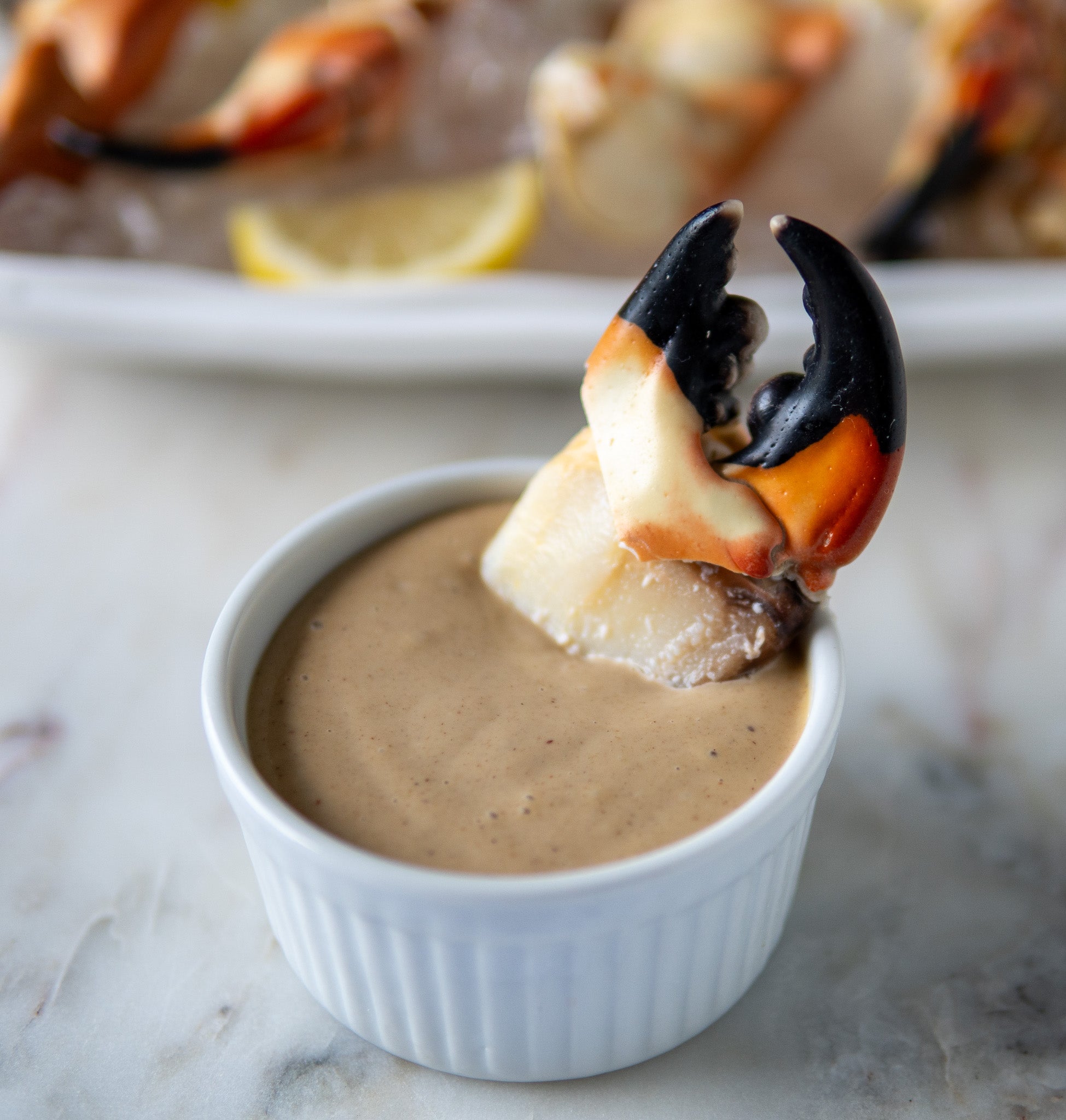
Chefs read shell coloration like a freshness map. The most desirable fresh Florida stone crabs display vibrant, varied hues, deep burgundy knuckles, rich mahogany bodies, and dramatic black-tipped fingers against lighter shell backgrounds. These color variations indicate crabs harvested from healthy populations in pristine Gulf and Atlantic waters.
Dull, uniformly gray shells suggest extended time out of water or suboptimal harvesting conditions. Chefs also inspect the shell's interior after cracking a test claw; pristine white or pale-pink meat with no discoloration confirms peak freshness.
Any grayish tint or translucence signals the claws have passed their prime, a detail home diners might miss, but chefs never overlook.
The Temperature Discipline
Temperature consistency from harvest to kitchen defines chef-grade quality. Fresh Florida stone crabs must arrive at or below 38°F with no evidence of temperature fluctuation during transit.
Chefs immediately verify packaging integrity, ice should remain partially frozen, gel packs fully chilled, and claws dry rather than sitting in meltwater. Temperature abuse accelerates enzymatic breakdown that diminishes sweetness and compromises texture. In professional settings, where food safety standards are non-negotiable, any deviation from strict cold chain protocols results in immediate rejection, regardless of visual appeal.
Seasonal Intelligence and Sourcing Ethics
Savvy chefs understand that timing impacts quality profoundly. They prioritize fresh Florida stone crabs harvested during peak season (October through May) when water temperatures optimize meat development and sweetness concentration.
Beyond seasonality, chefs investigate harvesting practices seeking suppliers who adhere strictly to Florida's conservation regulations: taking only one claw per crab, respecting minimum size requirements (2 3⁄4 inches), and avoiding harvest during molting periods. This ethical sourcing isn't just environmental stewardship; it directly impacts claw quality. Crabs harvested responsibly from healthy populations consistently deliver superior meat density and flavor complexity.
The Crack Test: Texture Validation
Before committing to a full order, chefs perform a controlled crack test. Using a mallet or cracker, they open a representative claw to assess meat texture firsthand. Ideal fresh Florida stone crabs yield meat that separates cleanly from the shell in substantial, pearly-white sections, not fragmented threads or mushy clumps.
The meat should feel moist yet resilient, with a subtle springiness when gently pressed. Chefs reject claws with meat that sticks stubbornly to shell walls (indicating dehydration) or feels watery/slimy (signaling bacterial growth). This tactile evaluation provides irrefutable evidence of freshness that visual inspection alone cannot deliver.
Flavor Concentration Assessment
Ultimately, chefs evaluate the sweetness concentration, the hallmark of exceptional stone crab. They taste a small sample raw (when safety permits) or lightly chilled to assess natural sugar content without sauce interference. Premium fresh Florida stone crabs deliver immediate, clean sweetness with subtle briny notes and zero ammonia or sour undertones.
This flavor intensity correlates directly with the crab's age, diet diversity in Florida's estuary systems, and speed of processing after harvest. Chefs know that claws meeting all physical criteria but lacking pronounced sweetness have missed their optimal harvest window.
The Chef's Commitment to Excellence
What separates chef selection from casual purchasing is holistic evaluation combining shell integrity, weight, color, temperature discipline, ethical sourcing, texture validation, and flavor assessment into a single quality judgment. Fresh Florida stone crabs passing this comprehensive scrutiny deliver consistent performance in professional kitchens: impressive presentation, generous yield, concentrated sweetness, and complete guest satisfaction.
For home enthusiasts seeking restaurant-quality results, adopting even a few of these chef standards transforms Stone Crab dining from ordinary to extraordinary, honoring Florida's most celebrated seafood at its absolute peak.
 Back to News


