


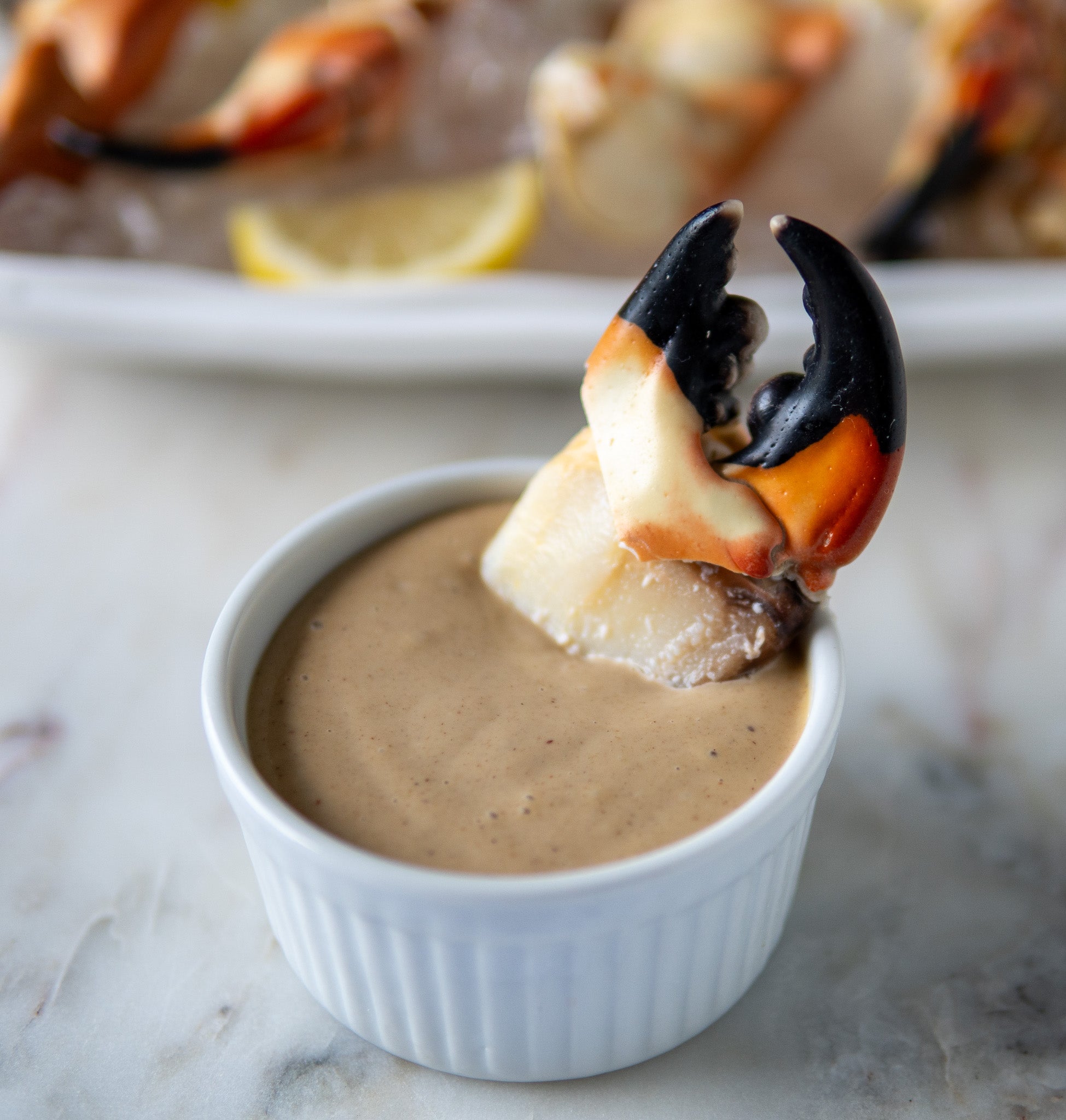
Why Some Fresh Stone Crab Claws Have More Sweetness Than Others
The Science Behind Stone Crab Sweetness
The distinctive sweetness of fresh stone crab claws isn't accidental; it's the result of complex biological processes influenced by environment, timing, and crab physiology. Not all claws deliver identical sweetness because nature itself creates variation. Understanding these factors helps you select fresh Florida stone crabs with the most concentrated, memorable flavor.
Water Temperature: Nature's Sweetness Regulator
Florida's coastal waters act as a natural sweetness dial for stone crabs. During cooler months (October through February), dropping water temperatures trigger metabolic changes in stone crabs.
As temperatures fall below 65°F, crabs convert stored energy into glycogen,n a complex carbohydrate that breaks down into natural sugars within the muscle tissue. This biological adaptation for colder conditions directly translates to sweeter meat. Fresh stone crab claws harvested during peak season consistently deliver more pronounced sweetness than those taken in warmer months when crabs metabolize glycogen differently.
This seasonal rhythm explains why connoisseurs eagerly anticipate fall and winter harvests for the sweetest experience.
Maturity and Size: The Age Advantage
Mature Stone Crabs develop deeper sweetness through accumulated feeding cycles. Jumbo stone crab claws, typically from crabs that have survived three or more molting seasons, contain greater glycogen reserves built over years of foraging in Florida's nutrient-rich estuaries.
These older specimens have refined feeding patterns and established territories in optimal habitats, resulting in more complex flavor development. While smaller claws offer pleasant sweetness, jumbo specimens often deliver that intense, honey-like finish prized by enthusiasts.
When selecting fresh stone crab claws, size often correlates directly with sweetness intensity, though proper handling remains essential to preserve these natural sugars.
Habitat and Diet Diversity
Stone crabs inhabiting diverse ecosystems develop more complex flavor profiles. Crabs foraging across seagrass beds, oyster bars, and sandy bottoms consume varied diets of mollusks, crustaceans, and organic detritus that influence meat composition.
Fresh Florida stone crabs harvested from protected bays with robust ecosystems often display superior sweetness compared to those from less diverse habitats. The mineral content of local waters also plays a subtle role; certain estuaries with balanced salinity and nutrient flow promote optimal glycogen storage.
This terroir effect means claws from specific Florida regions may consistently deliver more pronounced sweetness, a nuance experienced harvesters recognize.
The Critical Molting Cycle
Stone crabs undergo annual molting cycles that dramatically affect meat quality. The period immediately before molting, when crabs are heaviest with stored energy, produces the sweetest meat. During this pre-molt phase, glycogen concentrates in the claws as the crab prepares to shed its shell and regenerate tissue. Harvesting during this narrow window yields claws with maximum sweetness. Conversely, recently molted crabs contain less dense meat with diluted sweetness as they rebuild muscle mass.
Knowledgeable suppliers time harvests to align with pre-molt periods, ensuring fresh stone crab claws reach consumers at the sweetness peak. This biological timing explains why even within the same season, sweetness can vary between shipments.
Speed From Harvest to Chill
Natural sweetness degrades rapidly without proper handling. Enzymatic activity begins breaking down glycogen within minutes of claw detachment. Premium suppliers immediately immerse fresh stone crab claws in near-freezing seawater, arresting enzymatic processes and locking in sugars.
Claws experiencing delayed chilling lose measurable sweetness within hours, a difference discernible even to casual diners. This is why sourcing fresh Florida stone crabs from operations prioritizing rapid processing makes a tangible difference in flavor.
The sweetest claws travel the shortest time between harvest and refrigeration.
Gender and Claw Dominance
Lesser-known factors also influence sweetness. Male stone crabs typically develop larger, meatier claws with slightly higher glycogen concentration than females.
Additionally, the "crusher" claw (larger, rounded claw used for breaking shells) often contains denser, sweeter meat than the smaller "pincher" claw on the same crab. Experienced harvesters sometimes select crusher claws for premium orders, though regulations requiring one-claw-per-crab harvest make this selection challenging.
These subtle biological variations contribute to sweetness differences even among claws of identical size.
Choosing for Maximum Sweetness
To experience the sweetest fresh stone crab claws, prioritize:
-
Peak season harvests (October–January)
-
Jumbo or colossal size grades
-
Suppliers emphasizing rapid post-harvest chilling
-
Claws with vibrant shell coloration (indicating optimal health)
When you crack open an exceptionally sweet, fresh stone crab claw, you're tasting the convergence of ideal water temperature, mature crab physiology, pristine habitat, perfect harvest timing, and meticulous handling, a fleeting moment of natural perfection preserved through expertise.
This delicate balance explains why sweetness varies, and why the finest fresh Florida stone crabs remain one of America's most treasured seasonal delicacies.
 Back to News


